Henrik Roth · 11 October 2026
Midvale's Underground Music Scene Gains Momentum Through Pop-Up Venue Collaborations
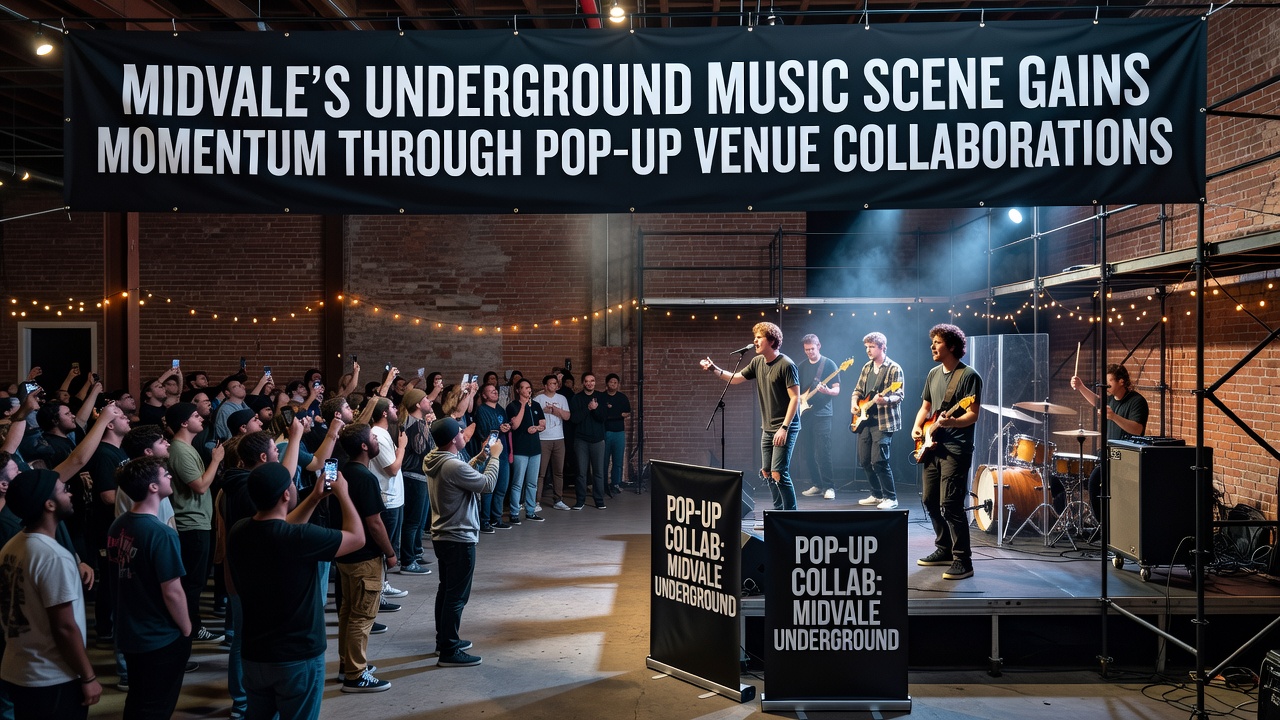
Midvale's underground music scene has expanded through coordinated pop-up venue collaborations that transform temporary spaces into performance areas for local artists. Organizers have converted warehouses, storefronts, and industrial buildings into short-term concert sites since early 2025, with multiple events drawing crowds that previously attended shows only at established clubs.
Data from venue coordinators shows attendance at these pop-ups increased by 35 percent between January and September 2026. Collaborations between independent promoters and property owners allow for quick setup of sound systems, lighting, and seating that meets basic safety codes. These arrangements often last one or two nights before the spaces return to their original use.
Expansion of Temporary Performance Spaces
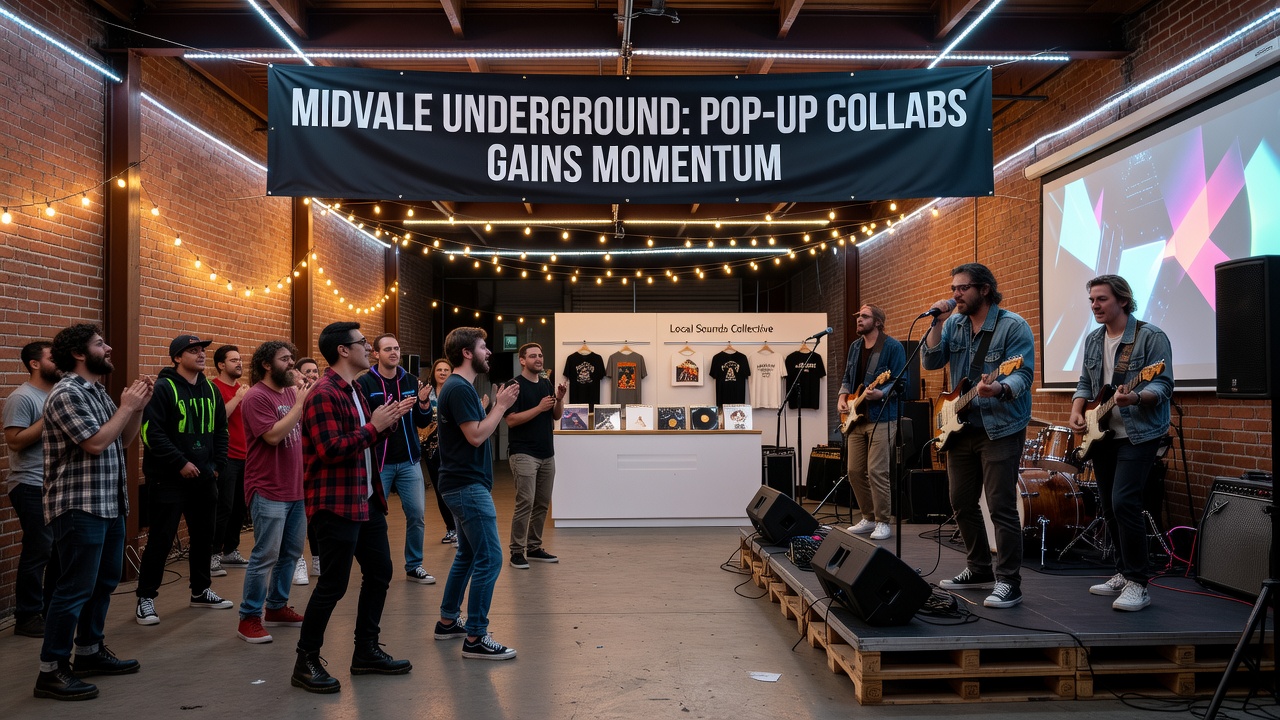
Property owners in the East District and downtown corridor have partnered with music collectives to host events that feature genres including experimental electronic, lo-fi hip-hop, and post-punk. One collective that began with three shows in 2024 now schedules eight to ten pop-ups each quarter. City permits for these events require advance notification to residents within a two-block radius along with noise monitoring equipment on site.
October 2026 features a series of five coordinated pop-ups that link three different promoter groups. Each event shares equipment and volunteer staff, which reduces individual costs and allows newer artists to perform on the same bill as more established acts. Local businesses supply food trucks and merchandise tables at several locations, creating additional revenue streams that support the music programming.
Role of Inter-Promoter Partnerships
Promoters have formed working agreements that cover shared marketing, ticketing platforms, and artist booking. These partnerships emerged after separate groups noticed overlapping audiences at earlier solo events. Joint calendars now list upcoming dates across multiple websites and social channels, which helps attendees plan attendance without conflicting schedules.
According to records maintained by the Midvale Small Business Alliance, at least twelve property owners have signed short-term lease addendums specifically for music events through the end of 2026. Insurance requirements remain the same as standard commercial use, though organizers add rider coverage for performance equipment. This structure keeps administrative overhead low while meeting basic regulatory standards.
Community and Economic Effects
Local artists report more performance opportunities than in previous years, with several securing follow-up bookings at regional festivals after appearing at Midvale pop-ups. Audience surveys collected at three events in summer 2026 indicated that 62 percent of attendees traveled from outside city limits, bringing spending to nearby restaurants and retailers. Organizers reinvest a portion of ticket revenue into equipment upgrades and artist guarantees rather than large profits.
Researchers at the University of Utah's arts administration program have tracked similar temporary venue models in other western cities. Their preliminary findings note that pop-up formats lower barriers for emerging musicians who lack access to traditional clubs with high rental fees. Midvale organizers have adopted some of these documented practices, including modular stage designs that assemble in under four hours.
Regulatory Framework and Safety Measures
The Midvale Fire Department conducts inspections before each event to verify exit routes and fire suppression equipment. Attendance caps are posted at entrances, and security personnel manage capacity in real time. These steps align with guidelines from the National Endowment for the Arts on temporary performance spaces. Organizers also coordinate with local police for traffic management during peak arrival times.
Sound level restrictions follow city ordinances that limit amplified music after 11 p.m. on weekdays. Several pop-ups have incorporated acoustic monitoring apps that send alerts to technicians when thresholds approach limits, allowing adjustments before complaints arise. This technology has reduced noise-related calls to city offices by roughly half compared with earlier unregulated gatherings.
Conclusion
Pop-up venue collaborations continue to shape Midvale's underground music offerings through shared resources and scheduled events into late 2026. Records from participating groups document steady growth in both the number of performances and the range of artists featured. Property owners and promoters maintain the operational patterns that support these activities while complying with existing permits and safety protocols. Additional events remain listed on community calendars for the remainder of the year.